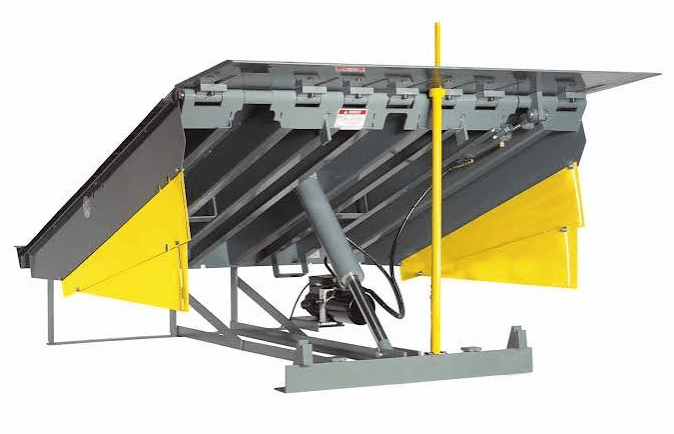
Facilities managing high volumes of freight movement rely heavily on well-designed hydraulic loading dock equipment to keep operations running smoothly and safely. For buyers evaluating options for a new or upgraded loading dock, understanding the range of available equipment helps guide a more informed purchasing decision.
Why Hydraulic Systems Are Favored for High-Volume Operations
Hydraulic-powered loading dock equipment generally offers smoother, faster operation compared to purely mechanical alternatives, reducing the physical effort required from dock workers and speeding up the overall loading and unloading cycle, which matters considerably for facilities processing high volumes of shipments daily.
Key Components of a Hydraulic Loading Dock System
Beyond the dock leveler itself, a complete hydraulic loading dock setup often includes vehicle restraint systems, dock seals or shelters, and integrated safety lighting, all working together to create a safer and more efficient loading environment for both equipment and personnel.
Power Supply and Backup Considerations
Since hydraulic dock equipment depends on a reliable power supply, facility managers should consider backup power options or manual override capabilities to avoid operational disruptions during power outages, particularly for facilities where any downtime translates directly into shipping delays.
Integration with Warehouse Management Systems
Some modern hydraulic loading dock equipment can integrate with warehouse management software, providing data on dock utilization and equipment status that helps facility managers optimize scheduling and identify maintenance needs before they become operational problems.
See also: Spam Detection Resource Guide Lookup Spam Number Revealing Nuisance Call Verification
Installation and Retrofit Considerations
Facilities upgrading from older mechanical systems to hydraulic equipment should carefully evaluate existing dock structural specifications, since retrofitting hydraulic systems sometimes requires structural modifications that add to the overall project cost and timeline.
Comparing Equipment Options
Facility managers researching options for a loading dock upgrade can review the specifications and configurations offered through a hydraulic loading dock equipment supplier to compare capacity, features, and installation requirements across different systems.
Training Staff for Safe Operation
Even with well-designed hydraulic equipment, proper staff training on safe operating procedures remains essential for preventing accidents and equipment damage. Facility managers should establish clear operating protocols alongside any new equipment installation.
Frequently Asked Questions
Is hydraulic loading dock equipment more expensive to maintain than mechanical alternatives? Hydraulic systems generally involve more components requiring periodic maintenance, such as hydraulic fluid and seals, but many facilities find the improved efficiency justifies this additional maintenance consideration.
What happens to hydraulic dock equipment during a power outage? Most systems include manual override capabilities for emergency situations, though facility managers relying heavily on continuous dock operations should consider backup power solutions to minimize disruption.
Can existing mechanical dock systems be retrofitted with hydraulic equipment? In many cases yes, though facility managers should evaluate existing structural specifications carefully, since some retrofits require additional structural modifications that affect overall project scope and cost.
Final Thoughts
Hydraulic loading dock equipment offers significant efficiency benefits for facilities managing high shipment volumes. Careful evaluation of power requirements, integration capabilities, and installation considerations helps facility managers select a system that will support smooth operations for years to come.