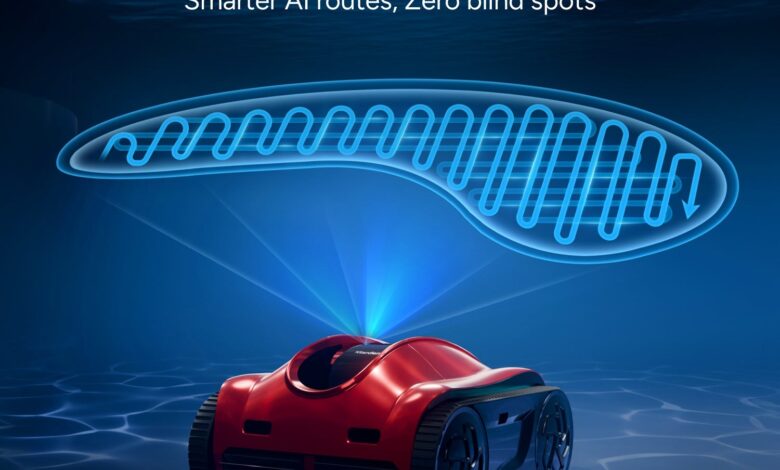
If you’ve ever spent a weekend afternoon skimming leaves, scrubbing walls, and vacuuming the bottom of your pool, you know the frustration of manual pool cleaning all too well. It’s time-consuming, physically demanding, and never seems to last long enough before debris starts accumulating again. Robotic pool cleaners have emerged as a modern solution that takes the burden off your shoulders, delivering thorough, automated cleaning with minimal effort on your part. However, with dozens of models available on the market, finding the right one isn’t as simple as picking the first option you see. The size of your pool, its shape, surface material, and specific cleaning demands all play a role in determining which robot will perform best. This article is designed to walk you through the entire selection process—from understanding the benefits of robotic cleaners to evaluating essential features and matching them to your pool’s unique characteristics. By the end, you’ll have the confidence to choose the best pool cleaner robot that fits your needs perfectly.
Why a Robotic Pool Cleaner is a Game-Changer for Pool Owners
Pool maintenance has come a long way from the days of manually dragging a vacuum head across the floor while fighting tangled hoses. Early automatic systems, like suction-side and pressure-side cleaners, offered some relief but still relied heavily on your pool’s existing pump and filtration system, often reducing their efficiency and increasing wear. Robotic pool cleaners represent the next leap forward—self-contained units with their own motors, filtration, and intelligent navigation that operate independently from your pool’s infrastructure.
Efficiency and Time-Saving Advantages
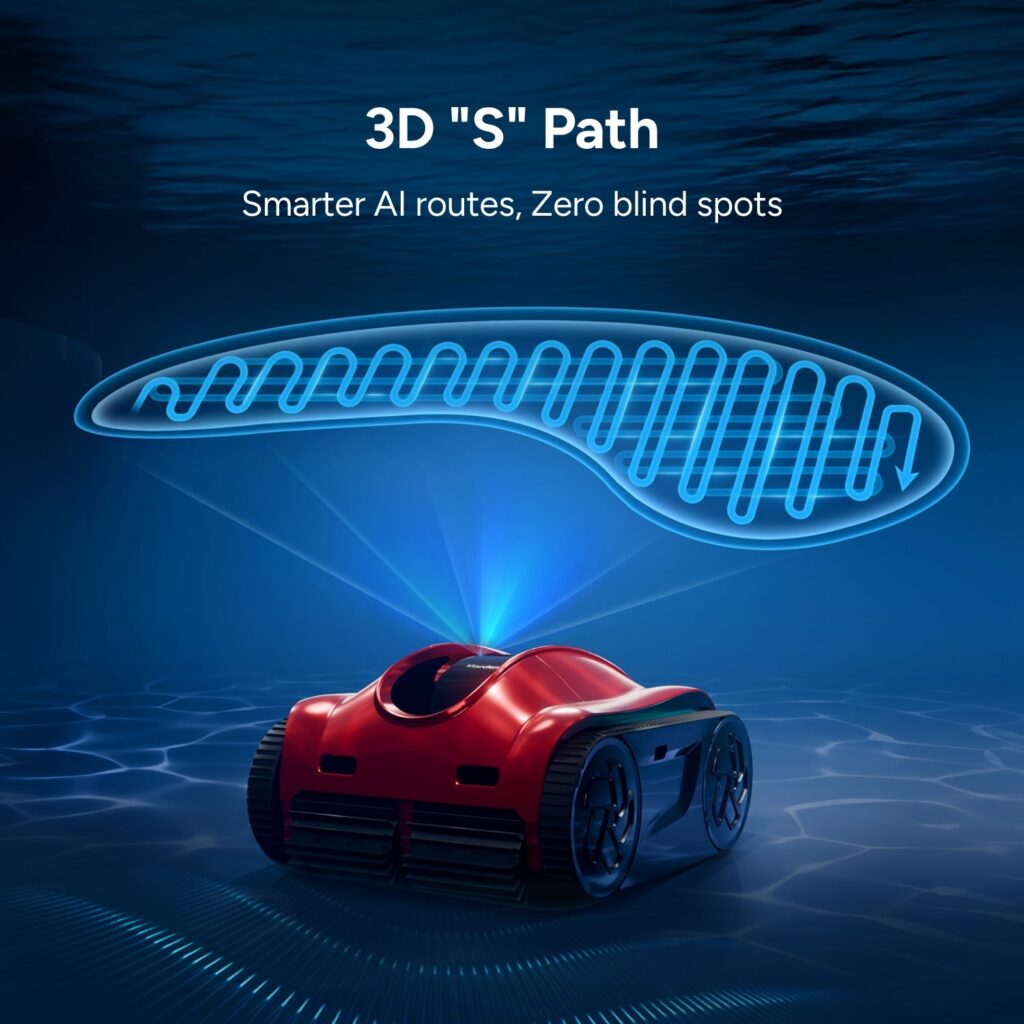
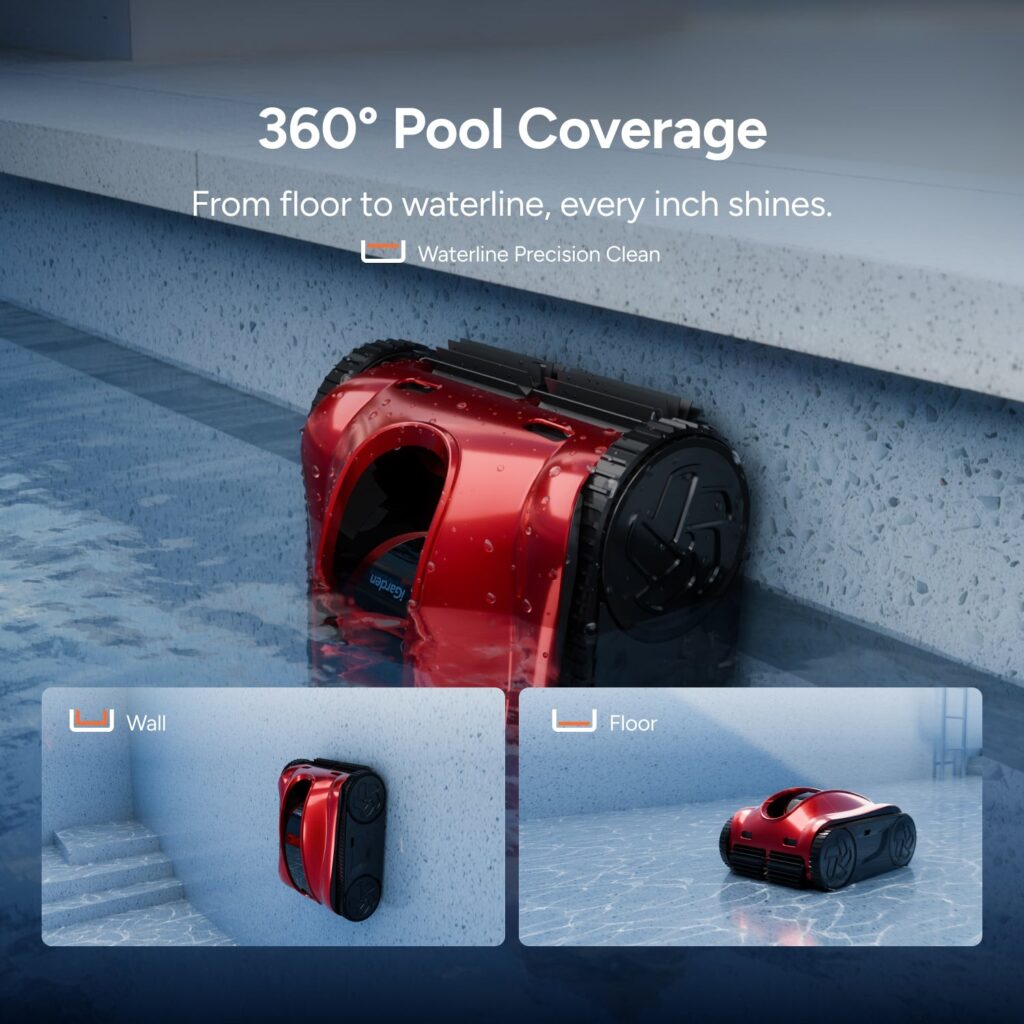
What makes robotic cleaners truly transformative is their ability to work without supervision. You drop the unit into the water, press a button, and walk away. The robot maps your pool’s contours, systematically covering every inch of the floor, walls, and waterline while you handle other tasks or simply relax. Traditional cleaning methods demand anywhere from one to three hours of active labor per session, and even suction-side cleaners move randomly, often missing spots or repeatedly covering the same area. A robotic cleaner completes a thorough cycle in a fraction of that time using programmed navigation patterns that ensure complete coverage. This means your pool stays consistently clean without eating into your weekends.
Cost-Effectiveness and Long-Term Value
Beyond saving time, robotic pool cleaners deliver meaningful financial benefits over their lifespan. Because they run on low-voltage electricity and don’t tax your pool pump, energy consumption drops noticeably compared to running your filtration system for extended hours. Your pool pump experiences less strain, which translates to fewer repairs and a longer equipment life. The robot’s onboard filtration captures fine particles before they ever reach your main filter, reducing chemical demand since cleaner water requires less sanitizer to maintain balance. While the upfront investment is higher than a basic suction cleaner, the cumulative savings on energy bills, chemical costs, and professional cleaning services make robotic models a smart long-term choice for any pool owner serious about low-maintenance upkeep.
See also: Linguistic Keyword Research Guide Njhjynjdrf Explaining Language Related Searches
Understanding Your Pool: Size, Shape, and Surface Considerations
Before browsing product listings or comparing specs, you need to take an honest look at your pool itself. A robotic cleaner that performs brilliantly in a compact rectangular pool may struggle in a large freeform design with multiple depth changes. The cleaner’s motor power, cable length, navigation algorithm, and brush type all need to align with your pool’s physical characteristics. Skipping this assessment is the most common reason pool owners end up dissatisfied with their purchase—they buy based on price or brand recognition alone, only to discover the unit can’t reach their far wall or handle their textured surface properly. Spending fifteen minutes documenting your pool’s specifics will save you from costly returns and frustration down the road.
Measuring Pool Size and Volume
Start by measuring your pool’s length, width, and average depth using a tape measure. For rectangular pools, multiply length by width to get the surface area in square feet. Irregular shapes can be broken into simpler geometric sections and added together. Volume matters too—multiply surface area by average depth, then by 7.5 to get gallons. These numbers directly determine the cable length you’ll need and the runtime required for complete coverage. A robot designed for pools up to 30 feet won’t adequately clean a 50-foot pool, and undersized models will cycle repeatedly without finishing the job, wasting energy and accelerating wear on the unit.
Accounting for Pool Shape and Obstacles
Rectangular pools are the easiest for robotic cleaners to navigate since straight walls allow predictable turning patterns. Freeform, kidney-shaped, or L-shaped pools demand more sophisticated navigation—look for models with gyroscope-based mapping or smart sensors that adapt to curved walls. Built-in obstacles create additional challenges. Steps, swim-outs, ladders, and benches can trap less agile robots or create dead zones the cleaner repeatedly avoids. If your pool has these features, prioritize units with anti-tangle swivel cables and climbing capabilities that let them transition smoothly over ledges and around tight corners without getting stuck.
Identifying Pool Surface Material
Your pool’s interior finish dictates which brush type will clean effectively without causing damage. Concrete and gunite pools have rough, porous surfaces that harbor algae in tiny crevices—these benefit from aggressive scrubbing brushes with stiff bristles that dig into texture. Vinyl-lined pools require softer rubber or foam brushes that won’t tear or puncture the liner. Fiberglass pools fall somewhere in between, needing brushes firm enough to remove biofilm but gentle enough to avoid scratching the gel coat. Matching brush material to your surface ensures maximum cleaning power while protecting your investment, so always verify compatibility before committing to a specific model.
Essential Features of the Best Pool Cleaner Robots
Once you understand your pool’s dimensions and characteristics, the next step is evaluating the features that separate a mediocre robotic cleaner from an exceptional one. Not every feature matters equally for every pool, but knowing what’s available helps you prioritize based on your specific situation. The best pool cleaner robot for your setup will combine strong filtration, intelligent automation, and reliable construction in a package that addresses your pool’s particular cleaning challenges.
Dual-Layer Filtration and Cleaning Power
A dual-layer filtration system uses two stages to capture debris—a coarse outer layer traps leaves, twigs, and large particles while a fine inner mesh catches sand, pollen, and microscopic algae spores down to two microns. This approach prevents clogging that plagues single-layer filters, maintaining consistent suction throughout the cleaning cycle. Single-layer systems lose performance as debris accumulates, forcing more frequent emptying and leaving fine sediment behind. For pools surrounded by trees or exposed to wind-blown dust, dual-layer filtration ensures the water stays crystal clear between maintenance sessions and reduces the load on your main pool filter significantly.
Automatic Cleaning Cycles and Programming
Modern robotic cleaners offer programmable schedules that let you set cleaning times days in advance, so the unit drops in and operates without any input from you. Some models, including those from smart home brands like iGarden, feature smartphone apps or remote controls for on-demand activation and cycle customization—you can select floor-only mode for a quick refresh or a full cycle covering walls and the waterline for deeper cleaning. Weekly scheduling is particularly valuable for busy pool owners who want consistent results without remembering to deploy the cleaner manually. Look for models offering multiple cycle lengths so you can match runtime to your pool’s actual contamination level rather than running unnecessarily long sessions.
Durability, Warranty, and Ease of Maintenance
Build quality determines whether your investment lasts three years or ten. Look for reinforced cables that resist UV degradation and tangling, sealed motor housings rated for continuous submersion, and tool-free filter access that makes post-cycle cleanup quick. Cable length should exceed your pool’s longest diagonal by at least ten feet to ensure full coverage without strain. Warranty terms reveal manufacturer confidence—reputable brands offer two to three years of coverage on motors and electrical components. A generous warranty paired with accessible replacement parts means you won’t face expensive dead-end repairs when normal wear eventually occurs.
A Practical Guide to Selecting Your Robotic Pool Cleaner
Knowing what features exist and understanding your pool’s characteristics are essential foundations, but translating that knowledge into an actual purchase decision requires a structured approach. Many pool owners feel overwhelmed when they reach the buying stage because they’re juggling multiple variables simultaneously—budget constraints, feature priorities, conflicting reviews, and the nagging worry of making the wrong choice. The following step-by-step process simplifies everything into manageable actions that build on each other, guiding you from initial assessment to confident purchase.
Step 1: Assess Your Pool Specifications and Cleaning Needs
Grab a notepad and document your pool’s exact length, width, average depth, surface material, and shape. Note any obstacles like built-in steps, benches, or attached spas. Then identify your primary debris challenges—do you deal mostly with fine sand and pollen, or heavy leaf fall from surrounding trees? Finally, define your cleaning expectations. Do you need daily automated cycles, or is twice-weekly sufficient? This profile becomes your reference document when evaluating any model.
Step 2: Compare Models Based on Key Features and Budget
Create a simple comparison chart with columns for cable length, filtration type, navigation method, surface compatibility, cycle options, and warranty coverage. Populate it with three to five models that match your pool’s size rating and surface requirements. Eliminate any unit whose cable length falls short of your pool’s diagonal measurement. Rank the remaining options by how closely their feature sets align with your documented cleaning needs, then narrow further based on your budget range.
Step 3: Read Reviews and Check Ratings from Other Pool Owners
Seek out reviews from owners whose pools resemble yours in size and shape. Independent review sites, pool owner forums, and verified purchase feedback provide more reliable insights than manufacturer claims alone. Pay attention to comments about long-term durability, customer service responsiveness, and real-world cleaning performance on specific surfaces. Patterns in feedback—repeated praise or recurring complaints—reveal more than any single review.
Step 4: Make an Informed Decision and Purchase
With your shortlist refined, confirm warranty terms and return policies before committing. Purchase from authorized dealers to ensure valid warranty coverage and access to genuine replacement parts. Verify the retailer offers a reasonable return window in case the unit underperforms in your specific pool. Once your robotic cleaner arrives, run an initial test cycle to confirm full coverage and proper wall climbing before your return window closes.
Your Path to Effortless Pool Maintenance Starts Now
Choosing the best pool cleaner robot doesn’t have to be an overwhelming experience when you approach it methodically. The key takeaways are straightforward: robotic pool cleaners offer unmatched convenience, energy efficiency, and cleaning performance compared to manual methods or older automatic systems. Your pool’s specific dimensions, shape, surface material, and debris challenges should drive every aspect of your decision rather than marketing hype or price alone. Features like dual-layer filtration, programmable cleaning cycles, and durable construction with solid warranty backing distinguish truly capable models from those that will disappoint. By following the step-by-step selection process—documenting your pool’s specifications, comparing models against those requirements, validating your choices through real owner feedback, and purchasing through authorized channels—you position yourself to make a decision you’ll be satisfied with for years to come. Clean, inviting water shouldn’t cost you hours of manual labor every week. Take what you’ve learned here, measure your pool this weekend, and start narrowing down the robotic cleaner that will transform your maintenance routine from a chore into a simple button press.