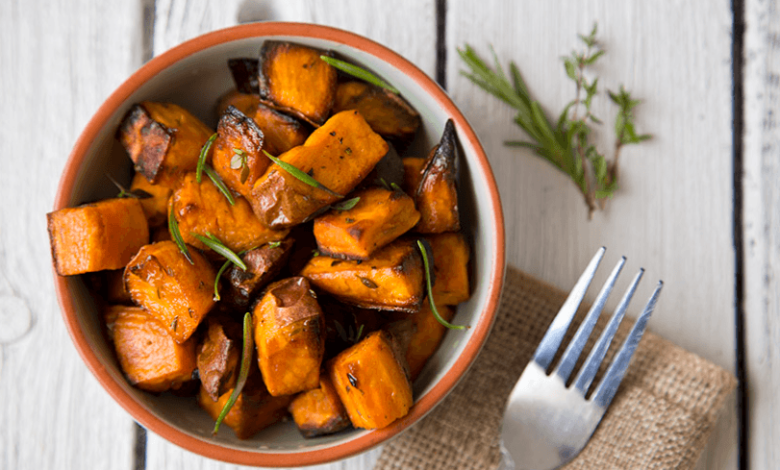
For years, potatoes have been one of the most familiar foods found in homes around the world, yet many people still wonder, Are potatoes healthy when comparing them to other vegetables and popular diet trends. While potatoes are often associated with comfort foods and side dishes, their nutritional characteristics reveal a more complete story. By looking past preconceptions, people can better understand why this classic meal continues to play a vital role in modern diets.
The truth is that potatoes offer much more than many consumers realize at first glance.
Potatoes Are Naturally Nutrient Rich
One fact that often surprises people is that potatoes contain a variety of nutrients in addition to carbohydrates. Because discussions about potatoes frequently focus on starch content, their broader nutritional value can sometimes be overlooked.
Potatoes are a naturally occurring food that contributes vitamins and minerals to a balanced diet. These nutrients help make potatoes more than just a source of energy. Instead, they serve as a food that can complement a wide range of healthy meal choices.
Understanding this broader nutritional profile often changes the way people view potatoes.
A Long-Standing Part Of Global Diets
Foods rarely remain popular for centuries without offering practical benefits. Potatoes have been consumed across cultures for generations because they are versatile, accessible, and easy to incorporate into everyday meals.
From Europe and North America to Asia and South America, potatoes appear in countless traditional dishes. Their continued presence in different cuisines demonstrates their ability to adapt to changing food preferences while remaining a reliable ingredient.
This worldwide acceptance reflects the value people have consistently found in potatoes over time.
Their Simplicity Is Part Of Their Strength
Many modern food products contain lengthy ingredient lists and extensive processing. Potatoes, by contrast, remain a simple whole food that can be prepared in numerous ways.
This simplicity appeals to consumers who want recognizable ingredients in their meals. Whether baked, roasted, boiled, or incorporated into soups, potatoes offer flexibility without requiring complicated preparation methods.
Their straightforward nature makes them an attractive option for households focused on practical and balanced eating.
Potatoes Can Support Meal Variety
One of the most overlooked aspects of potatoes is their contribution to meal diversity. They can be transformed into an impressive range of dishes, each with its own flavor, texture, and presentation.
A single ingredient can become part of a breakfast skillet, a vegetable-rich lunch, a hearty dinner, or a festive holiday meal. This versatility helps prevent meal fatigue and encourages creativity in home cooking.
By supporting a broader range of menu options, potatoes contribute to enjoyable and sustainable eating habits.
The Importance Of How Foods Fit Together?
Nutrition is rarely determined by a single ingredient alone. Instead, the overall composition of a meal often has a greater impact on dietary quality.
Potatoes work well alongside vegetables, proteins, legumes, and other nutritious foods. Their mild flavor allows them to complement many ingredients, making them useful for creating balanced meals that appeal to different tastes.
Rather than evaluating potatoes in isolation, it is often more helpful to consider how they function within an overall eating pattern.
A Food That Appeals Across Generations
Few foods manage to maintain popularity among children, adults, and older family members alike. Potatoes have achieved this because they can be adapted to different preferences and occasions.
Families appreciate ingredients that are familiar, versatile, and easy to prepare. Potatoes meet these needs while remaining suitable for a variety of recipes and cooking styles.
This broad appeal has helped them remain a trusted staple in households around the world.
See also: Why You See Halos, Glare, and Starbursts and What They Mean for Eye Health
Why Does Public Perception Continue To Evolve?
As more people learn about whole foods and balanced nutrition, perceptions of potatoes are gradually changing. Instead of focusing only on calories or carbohydrates, consumers are beginning to appreciate the broader nutritional picture.
Recognizing the vitamins, minerals, versatility, and culinary value of potatoes provides a more accurate understanding of their role in everyday eating.
This shift in perspective highlights why potatoes continue to earn respect among consumers and nutrition professionals alike.
Conclusion
Potatoes are far more than a simple side dish. Their nutritional qualities, adaptability, and long history of use make them a valuable food that deserves thoughtful consideration. By looking beyond common misconceptions, many people discover that potatoes offer benefits that can positively contribute to balanced and enjoyable eating habits. As a result, this classic vegetable continues to maintain its place on Tables around the world.