Health Question Research Hub Menstruar Duas Vezes No Mês Explaining Hormonal Cycle Queries

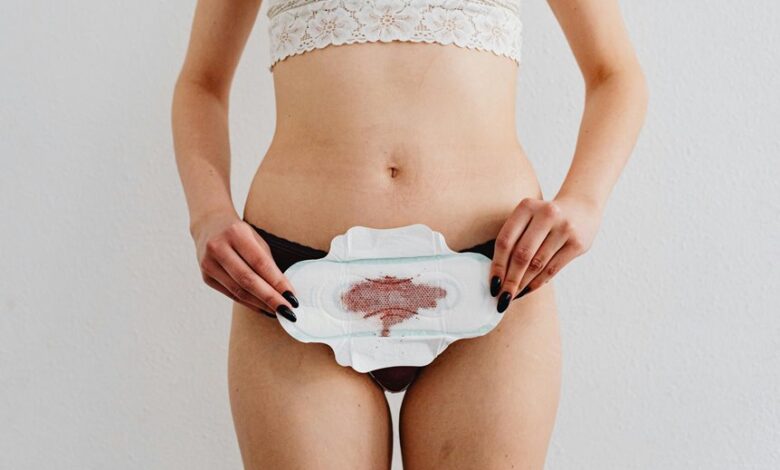
The Health Question Research Hub examines how some individuals experience two peaks in the menstrual cycle within a month, framed by hormonal phases from follicular to luteal and the LH surge. It questions timing, symptoms, and variability, grounded in evidence-based physiology. Practical tracking methods and expert guidance are considered to inform personalized decisions. The discussion highlights autonomy and timely care for atypical patterns, inviting further inquiry into why two-peak patterns emerge and how to respond effectively.
What Is the Hormonal Cycle and How Does It Shape the Two-Peak Pattern
The menstrual cycle is a tightly regulated sequence of hormonal events that coordinates ovulation and preparation of the endometrium for potential pregnancy. The hormonal cycle comprises follicular and luteal phases, with hormonal peaks orchestrating ovulation cues and subsequent endometrial maturation. Discrete fluctuations relate to mood shifts and physical changes, enabling timed reproductive readiness while maintaining systemic homeostasis and interpretation of risk.
Common Questions About Timing, Symptoms, and Variability Across Individuals
Common questions about timing, symptoms, and variability across individuals focus on how cycle length, ovulation timing, and symptom expression can differ among people. The evidence base indicates substantial interindividual differences, with clinical implications for interpretation and care. A two word discussion, unrelated topic, appears to illustrate how varied experiences may be. Clinicians should tailor guidance, emphasizing observation, consistency, and patient autonomy.
How Hormones Drive Ovulation, Mood, and Physical Changes Month to Month
Ovulation, mood, and physical changes are governed by the coordinated rise and fall of ovarian and pituitary hormones across the menstrual cycle, producing predictable yet individual patterns month to month.
This dynamic involves follicular and luteal phases, luteinizing hormone surges, and progesterone effects.
Clinically, awareness counters ovulation myths, clarifying internal timing by hormone clocks to support informed, autonomous health decisions.
Practical Insights: Tracking, Comfort Strategies, and When to Seek Care
Practical insights for tracking the menstrual cycle emphasize systematic observation, noninvasive methods, and clear thresholds for action. The approach favors consistent, objective data, minimal burden, and patient autonomy. Two word discussion ideas emerge for clinicians and patients: hormonal tracking. Comfort strategies include temperature or wearable-based cues, hydration, sleep hygiene, and prudent NSAID use. Seek care when persistent pain or abnormal bleeding occurs, or if cycles diverge markedly.
Conclusion
The review synthesizes how hormonal fluctuations orchestrate a two-peak pattern in some individuals, shaping ovulation, mood, and symptoms across cycles. While variability persists, objective tracking—basal temperature, wearables, and cycle diaries—clarifies timing and patterns. Clinically, recognizing two peaks does not imply universal applicability; personalized interpretation is essential. Practitioners should guide patients in discerning benign variability from signs warranting care. Like a compass, cycle data point toward informed, autonomous decisions and timely clinical assessment when deviations arise.